
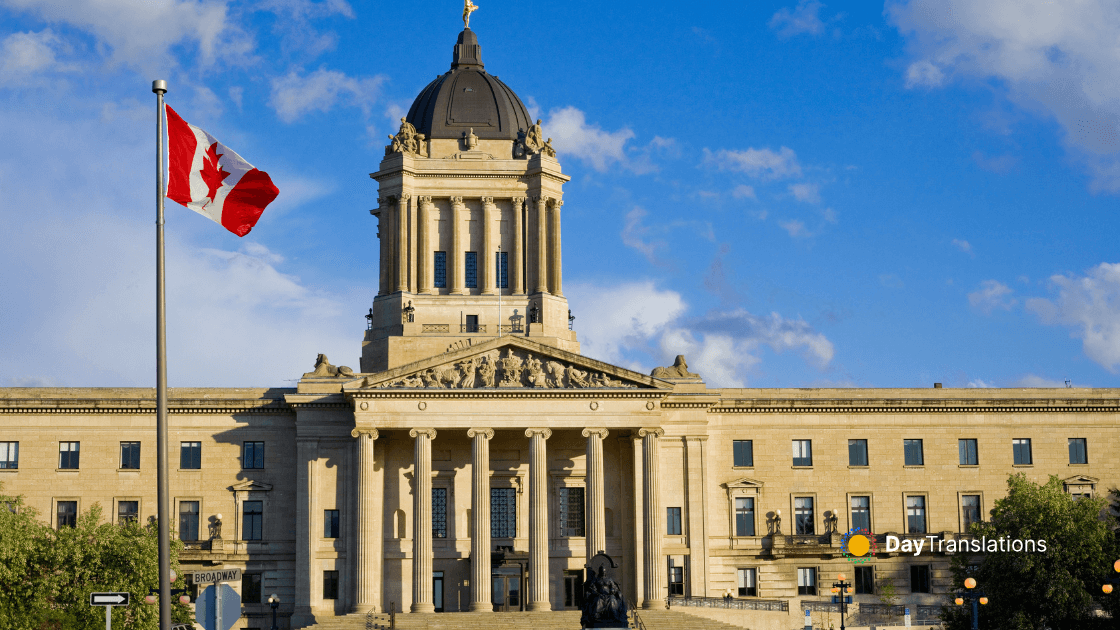
Canada, the world’s second largest country by total area, occupies most of northern North America and extends from the Atlantic Ocean in the east to the Pacific Ocean in the west and northward into the Arctic Ocean. It shares land borders with the United States to the south and northwest.
One of the world’s wealthiest nations, Canada is a member of the G7 and OECD. The Canadian economy is the eighth largest in the world and Canadians reflect a vast diversity of cultural heritages and racial groups, which is the result of centuries of immigration.
:: Background of Canada ::
A land of vast distances and rich natural resources, Canada became a self-governing dominion in 1867 while retaining ties to the British crown. Economically and technologically the nation has developed in parallel with the US, its neighbor to the south across an unfortified border. Canada faces the political challenges of meeting public demands for quality improvements in health care and education services, as well as responding to separatist concerns in predominantly francophone Quebec. Canada also aims to develop its diverse energy resources while maintaining its commitment to the environment.
In this Country Profile
:: Geography of Canada ::
Location: Northern North America, bordering the North Atlantic Ocean on the east, North Pacific Ocean on the west, and the Arctic Ocean on the north, north of the conterminous US.
Geographic coordinates: 60 00 N, 95 00 W
Area:
total: 9,984,670 sq km
land: 9,093,507 sq km
water: 891,163 sq km
Area – comparative: somewhat larger than the US
Land boundaries: total: 8,893 km border countries: US 8,893 km (includes 2,477 km with Alaska)
Maritime claims:
territorial sea: 12 nm
contiguous zone: 24 nm
exclusive economic zone: 200 nm
continental shelf: 200 nm or to the edge of the continental margin
Climate: varies from temperate in south to subarctic and arctic in north
Terrain: mostly plains with mountains in west and lowlands in southeast
Elevation extremes:
lowest point: Atlantic Ocean 0 m
highest point: Mount Logan 5,959 m
Natural resources: iron ore, nickel, zinc, copper, gold, lead, molybdenum, potash, diamonds, silver, fish, timber, wildlife, coal, petroleum, natural gas, hydropower
Land use:
arable land: 4.57%
permanent crops: 0.65%
other: 94.78% (2005)
Natural hazards: continuous permafrost in north is a serious obstacle to development; cyclonic storms form east of the Rocky Mountains, a result of the mixing of air masses from the Arctic, Pacific, and North American interior, and produce most of the country’s rain and snow east of the mountains.
Environment – current issues: air pollution and resulting acid rain severely affecting lakes and damaging forests; metal smelting, coal-burning utilities, and vehicle emissions impacting on agricultural and forest productivity; ocean waters becoming contaminated due to agricultural, industrial, mining, and forestry activities.
Environment – international agreements: party to: Air Pollution, Air Pollution-Nitrogen Oxides, Air Pollution-Persistent Organic Pollutants, Air Pollution-Sulfur 85, Air Pollution-Sulfur 94, Antarctic-Environmental Protocol, Antarctic-Marine Living Resources, Antarctic Seals, Antarctic Treaty, Biodiversity, Climate Change, Climate Change-Kyoto Protocol, Desertification, Endangered Species, Environmental Modification, Hazardous Wastes, Law of the Sea, Marine Dumping, Ozone Layer Protection, Ship Pollution, Tropical Timber 83, Tropical Timber 94, Wetlands. Signed, but not ratified: Air Pollution-Volatile Organic Compounds, Marine Life Conservation.
:: People of Canada ::
Population: 33,212,696 (July 2008 est.)
Age structure:
0-14 years: 16.3% (male 2,780,491/female 2,644,276)
15-64 years: 68.8% (male 11,547,354/female 11,300,639)
65 years and over: 14.9% (male 2,150,991/female 2,788,945) (2008 est.)
Median age:
total: 40.1 years
male: 39 years
female: 41.2 years (2008 est.)
Population growth rate: 0.83% (2008 est.)
Birth rate: 10.29 births/1,000 population (2008 est.)
Death rate: 7.61 deaths/1,000 population (2008 est.)
Net migration rate: 5.62 migrant(s)/1,000 population (2008 est.)
Sex ratio:
at birth: 1.06 male(s)/female
under 15 years: 1.05 male(s)/female
15-64 years: 1.02 male(s)/female
65 years and over: 0.77 male(s)/female
total population: 0.98 male(s)/female (2008 est.)
Infant mortality rate:
total: 5.08 deaths/1,000 live births
male: 5.4 deaths/1,000 live births
female: 4.75 deaths/1,000 live births (2008 est.)
Life expectancy at birth:
total population: 81.16 years
male: 78.65 years
female: 83.81 years (2008 est.)
Total fertility rate: 1.57 children born/woman (2008 est.)
HIV/AIDS – adult prévalence rate: 0.3% (2003 est.)
HIV/AIDS – people living with HIV/AIDS: 56,000 (2003 est.)
HIV/AIDS – deaths: 1,500 (2003 est.)
Nationality: noun: Canadian(s) adjective: Canadian
Ethnic groups: British Isles origin 28%, French origin 23%, other European 15%, Amerindian 2%, other, mostly Asian, African, Arab 6%, mixed background 26%
Religions: Roman Catholic 42.6%, Protestant 23.3% (including United Church 9.5%, Anglican 6.8%, Baptist 2.4%, Lutheran 2%), other Christian 4.4%, Muslim 1.9%, other and unspecified 11.8%, none 16% (2001 census)
Languages: English (official) 59.3%, French (official) 23.2%, other 17.5%
Literacy:
definition: age 15 and over can read and write
total population: 99%
male: 99%
female: 99% (2003 est.)
Geography of Canada: Important Geographical Information about Canada
In this Country Profile
Canada has a very large and diverse range of geographic features and an amazing variety of wildlife. It is known for its ts picturesque landscapes, breath-taking sceneries, rivers and lakes. Many of the rivers have been enlisted as Heritage Rivers because of their historical background. Canada is divided into 10 provinces and 2 territories.
The Appalachian mountains (more exactly the Notre Dame and Long Range Mountains), characterized by a wealth of large, beautiful deciduous broadleaf (hardwood) trees, are an old and eroded range of mountains, approximately 380 million years in age.
Great Lakes and St. Lawrence Lowlands: this area comprises the peninsula of southern Ontario bounded by the Canadian Shield and Lakes Huron, Erie, and Ontario. The St. Lawrence lowland has rich soil for farming and forestry. The Niagara Falls, one of the world’s most voluminous waterfalls, are renowned both for their beauty and as a valuable source of hydroelectric power. Niagara Falls is divided into the Horseshoe Falls and the American Falls.
Canadian Shield (also called the Laurentian Plateau, or Bouclier Canadien): The northern parts of Saskatchewan, Manitoba, Ontario, and Quebec, as well as most of Labrador, the mainland portions of the province of Newfoundland and Labrador, are located on a vast rock base known as the Canadian Shield. The Shield mostly consists of eroded hilly terrain and is one of the world’s richest areas in terms of mineral ores. It is filled with substantial deposits of nickel, gold, silver, and copper.
Canadian Interior Plains: are located in between the Cordillera and the Canadian Shield and cover much of Alberta, southern Saskatchewan, and southwestern Manitoba, as well as much of the region between the Rocky Mountains and the Great Slave and Great Bear lakes in Northwest Territories.
Western Cordillera: The Canadian Cordillera, part of the American cordillera, stretches from the Rocky Mountains in the east to the Pacific Ocean.
The Canadian Rockies cover a major part of western Canada — British Columbia, the Yukon Territory, and the western part of Alberta. They are characterized by great heights and angularity of the peaks, many of which rise to more than 10,000 feet (3,000 metres).
Volcanoes: Canada has examples of almost every type of volcano found on earth. Mount Garibaldi has many volcanoes and is part of the system of volcanoes found around the margins of the Pacific Ocean, which is called the Pacific Ring of Fire. There are over 200 young volcanic centers that stretch northward from the Cascade Range to the Yukon Territory.
The Canadian Arctic Archipelago: extends some 2,400 km and ntains 94 major islands (greater than 130 km² (50 sq mi)), including three of the world’s ten largest islands.
Key Facts:
* The largest lake situated entirely in Canada is Great Bear Lake at 12,096 square miles (31,328 km2)
* The Mackenzie River ( in the N.W.T. ) is the longest river in Canada.
* Canada has the world’s longest coastline.
* Nearly one-fourth of all the fresh water in the world is in Canada
* Mount Logan in the Yukon Territory is Canada’s tallest peak at 5,959 metres.
Professional Translation Organizations & Associations in Canada
In this Country Profile
Below is a list of the major translation organizations and associations of Canada. Day Translations seeks to be involved with translation organizations to improve the knowledge and awareness of the importance of translation and interpretation in our constantly changing, global world.
:: List of Organizations ::
Association of Canadian Corporations in Translation and Interpretation
Association of Translators and Interpreters of Alberta
Association of Translators and Interpreters of Manitoba
Association of Translators and Interpreters of Nova Scotia
Association of Translators and Interpreters of Ontario
Association of Translators and Interpreters of Saskatchewan
Canadian Translators, Terminologists and Interpreters Council
College Universitaire de Saint-Boniface
Corporation of Translators, Terminologists and Interpreters of New Brunswick
Fédération Internationale des Traducteurs/International Federation of Translators
Glendon College, School of Translation
Language Industry Association / Association de l’industrie de la langue
Laurentian University. Faculty of Professional Schools. School of Translators and Interpreters
Literary Translators’ Association of Canada
McGill University
Network of Translators in Education
Ordre des traducteurs, terminologues et interprètes agréés du Québec
Society of Translators and Interpreters of British Columbia
Université Concordia, Département d’études françaises
Université de Montréal ,Département de linguistique et de traduction
Université de Québec à Trois-Rivières. Département de langues modernes et de traduction
Université du Québec en Outaouais, Département d’études langagières
Université Laval, Département de langues et linguistique
University of British Columbia, Department of French
University of Moncton, Département de traduction et des langues
University of Ottawa, School of Interpretation and Translation
University of Toronto, School of Continuing Studies,French, Foreign Languages and Translation Studies
University of Waterloo – Spanish Department
Information about the Canadian Flag: Colors and Meaning of the Flag of Canada
In this Country Profile
The National Flag of Canada, also known as the Maple Leaf, and l’Unifolié (French for “the one-leafed”), consists of three vertical stripes. The right and left stripe are red and of equal size. The center stripe is white and contains single red stylized eleven-point maple leaf centered in the white square. The Canadian National Flag was adopted by the Canadian Parliament on October 22, 1964.
The Canadian flag’s official colors were proclaimed by King George in 1921. The color red comes from the Saint George’s Cross and the color white from the French royal emblem. The maple leaf is an important national symbol of Canada. Paul Martin: ‘The maple leaf is a symbol of duty, valour and pride’. Moreover, the maple leaf had been worn as a symbol of Canada during the visit of the Prince of Wales in 1860. The song “The Maple Leaf Forever” was written by Alexander Muir in 1868 and had become Canada’s national song.
Extensive List of Languages of Canada: Spoken and Extinct Languages
In this Country Profile
Canada. 32,507,874. Indian 800,000 and Inuit 32,000 ethnic total (1993): 146,285 first-language speakers (1981 census). 4,120,770 non-English or French first language, or 15.3% (1991 census). National or official languages: English, French. Literacy rate: 96% to 99%. Also includes Afrikaans (2,353), Armenian (20,053), Assyrian Neo-Aramaic (5,000), Belarusan (2,280), Bulgarian (2,276), Central Khmer, Chaldean Neo-Aramaic, Corsican, Czech (27,038), Danish (29,807), Eastern Panjabi (214,530), Eastern Yiddish (49,890), Estonian (15,295), Finnish (39,069), Greek (143,892), Haitian Creole French (12,317), Hebrew, Hungarian (86,835), Icelandic, Irish Gaelic, Italian (514,410), Iu Mien (100), Japanese (43,000), Judeo-Moroccan Arabic, Kashubian, Korean (73,000), Lao, Latvian (15,000), Lithuanian, Macedonian (12,464), Maltese, Najdi Spoken Arabic (20,000), Northern Kurdish (6,000), Nung, Plains Indian Sign Language, Polish (222,355), Pontic, Portuguese (222,870), Romanian (16,356), Russian (31,745), Scottish Gaelic (3,525), Serbian (7,966), Sinhala (3,004), Slovak, Slovenian (6,415), Southwestern Caribbean Creole English, Spanish (228,580), Standard German (470,505), Swedish (21,591), Sylheti, Tagalog (158,210), Tongan, Turkish (5,179), Turoyo, Ukrainian (174,830), Vietnamese (60,000), Vlax Romani, Welsh (3,160), Western Farsi (15,000), Western Panjabi, Yue Chinese (250,000), India and Pakistan (280,000), speakers of many European languages. Information mainly from W. Chafe 1962, 1965; SIL 1951–2002. Blind population: 27,184. Deaf population: 1,704,551. Deaf institutions: Many. The number of languages listed for Canada is 89. Of those, 85 are living languages and 4 are extinct.
:: List of Languages ::
Abnaki, Western abe, 20 (1991 M. Krauss). Ethnic population: 1,800 including Eastern Abnaki in USA (1982 SIL). Quebec on St. Lawrence River between Montreal and Quebec City. Alternate names: Abenaki, Abenaqui, St. Francis. Classification: Algic, Algonquian, Eastern Nearly extinct.
Algonquin [alq] 2,275 (1998 Statistics Canada). Less than 10% monolinguals. Ethnic population: 5,000 (1987 SIL). Southwestern Quebec, northwest of Ottawa and in adjacent areas of Maniwaki and Golden Lake, Ontario. Alternate names: Algonkin. Dialects: Several dialects. The southern (Miniwaki) and northern varieties (several varieties) are very different. Classification: Algic, Algonquian, Central, Ojibwa
American Sign Language [ase] English-speaking areas of Canada. Alternate names: ASL, Ameslan. Classification: Deaf sign language
Assiniboine [asb] 250 in Canada (1997 D. Parks). Ethnic population: 5,000 (1997 Douglas Parks). West central and southeastern Saskatchewan (Mosquito-Grizzly Bear’s Head) and southern Saskatchewan (part of Carry-the-Kettle and Whitebear). Also spoken in USA. Alternate names: Assiniboin. Dialects: Very close to the Assiniboine of Montana. Close to Stoney. Lexical similarity 94% with Dakota of Manitoba, 90% with Dakota of North Dakota, 89% with Lakota and Stoney. Classification: Siouan, Siouan Proper, Central, Mississippi Valley, Dakota
Atikamekw [atj] 3,995 (1998 Statistics Canada). Three isolated communities on reservations of Manuane, Obedjiwan, Weymontachie, between La Tuque, Quebec, and Senneterre, Quebec, 200 to 400 km north of Montreal in south central Quebec, along the upper reaches of the St. Maurice River. Alternate names: Tête de Boule, Attimewk, Attikamek, Atihkamekw, Atikamek. Dialects: Nonpalatalized r-dialect within Cree-Montagnais-Naskapi language complex or dialect continuum. Very different from Montagnais and Naskapi in the nearby area. Classification: Algic, Algonquian, Central, Cree-Montagnais-Naskapi
Babine [bcr] 500 (1997 S. Hargus). Ethnic population: 2,200 (1982 SIL and 1997 S. Hargus). West central British Columbia, areas of Burns Lake, Babine Lake, Moricetown, towards the Takla Lake area. Alternate names: Babine Carrier, Northern Carrier, Witsuwit’en. Classification: Na-Dene, Nuclear Na-Dene, Athapaskan-Eyak, Athapaskan, Canadian, Carrier-Chilcotin, Babine-Carrier
Beaver [bea] 300 (1991 M. Dale Kinkade). Ethnic population: 600 (1987 SIL). North eastern British Columbia and northwestern Alberta, Chateh (Assumption) on the Hay River, and Prophet River south of Fort Nelson. Classification: Na-Dene, Nuclear Na-Dene, Athapaskan-Eyak, Athapaskan, Canadian, Beaver-Sekani
Bella Coola [blc] 20 (2002 Poser). Ethnic population: 700 (1991 Kinkade). Inlet on the central British Columbia coast at the mouth of Bella Coola River, on North Bentinck Arm at the head of Burke Channel. Alternate names: Nuxalk. Classification: Salishan, Bella Coola Nearly extinct.
Blackfoot [bla] 5,000 in Canada (2000 SIL). Possibly a few monolinguals. Population total all countries: 5,100. Ethnic population: 15,000. Blackfoot, Piegan, and Blood Reserves in southern Alberta. Also spoken in USA. Alternate names: Pikanii, Blackfeet. Dialects: Piegan (Peigan), Blood. Classification: Algic, Algonquian, Plains
Carrier [crx] 1,500 (1987 SIL). All Athapaskan language family first-language speakers in Canada 20,090 (1998 Statistics Canada). Ethnic population: 2,100 (1987 SIL). Central British Columbia, Stuart and Trembleur Lake area. Alternate names: Central Carrier. Dialects: Necoslie, Pinchie, Tachie, Grand Rapids, Middle River, Portage. Classification: Na-Dene, Nuclear Na-Dene, Athapaskan-Eyak, Athapaskan, Canadian, Carrier-Chilcotin, Babine-Carrier
Carrier, Southern [caf] 500 (1987 SIL). Central British Columbia, west of Quesnel and south of Cheslatta Lake, towards the Fraser and its tributaries, and Anahim Lake-Ulkatcho. Dialects: Cheslatta, Prince George, Stoney Creek, Nautley, Stellaquo. Can use literature adapted from Central Carrier. Lexical similarity 90% with Central Carrier. Classification: Na-Dene, Nuclear Na-Dene, Athapaskan-Eyak, Athapaskan, Canadian, Carrier-Chilcotin, Babine-Carrier
Cayuga [cay] 40 to 60 in Canada (2002 M. K. Foster). Population total all countries: 50 to 70. Ethnic population: 3,000 (1997 Mithun, Foster, Michelson). Six Nations, Ontario. Also spoken in USA. Classification: Iroquoian, Northern Iroquoian, Five Nations, Seneca-Onondaga, Seneca-Cayuga
Chilcotin [clc] 2,000 (2000). 100 monolinguals. Ethnic population: 2,500. West of Williams Lake, south central British Columbia. Seven reserve communities: Alexandria, Toosey, Anahim, Stone, Nemiah, Redstone, Ulkatcho. Alternate names: Tzilkotin. Classification: Na-Dene, Nuclear Na-Dene, Athapaskan-Eyak, Athapaskan, Canadian, Carrier-Chilcotin, Chilcotin
Chinook Wawa [chn] 83 in Canada (1962 Chafe). Population total all countries: 100. British Columbia. Also spoken in USA. Alternate names: Chinook Jargon, Chinook Pidgin. Dialects: Consists mainly of words from Chinook, with a large admixture of words from Nootka, Canadian French, and English. Classification: Pidgin, Amerindian Nearly extinct.
Chipewyan [chp] 4,000 (1995 M. Krauss). Ethnic population: 6,000 (1995 M. Krauss). Northern Alberta, Saskatchewan, Manitoba, southeastern Northwest Territories (Snowdrift and Fort Resolution). Communities of Fort Smith, Fort Chipewyan, Wolliston Post, Buffalo Narrows, Brochet, and Reindeer Lake are some of the communities. Alternate names: Dene. Dialects: Yellowknife. Classification: Na-Dene, Nuclear Na-Dene, Athapaskan-Eyak, Athapaskan, Canadian, Hare-Chipewyan, Chipewyan
Comox [coo] 400. Population includes 1 speaker of Island Comox, fewer than 400 of Sliammon (mainland) (1991 M. Dale Kinkade). Ethnic population: 850 (1983). British Columbia, Vancouver Island, and the coast north of Powell River. Alternate names: Comox-Sliammon. Dialects: Island Comox, Sliammon. Speakers all speak the Sliammon (mainland) dialect. No speakers of Island Comox left. Classification: Salishan, Central Salish, Northern
Cree, Moose [crm] 4,500. All Cree first-language speakers in Canada 87,555 (1998 Statistics Canada). Ethnic population: 5,000 (1982 SIL). Southern tip of James Bay, Moosonee, Ontario. This community and surrounding area (Moose Factory, Ontario). Has speakers of Moose Cree, East Cree, and Swampy Cree in it. Alternate names: York Cree, West Shore Cree, West Main Cree. Dialects: Nonpalatalized l-dialect within Cree-Montagnais-Naskapi language complex or dialect cluster. Classification: Algic, Algonquian, Central, Cree-Montagnais-Naskapi
Cree, Plains [crk] 34,000 in Canada (1982 SIL). Population total all countries: 34,100. Ethnic population: 53,000. North central Manitoba westward across Saskatchewan and central Alberta to the foot of the Rocky Mountains. Also spoken in USA. Alternate names: Western Cree. Dialects: Plains Cree, Western York Cree, Northern Alberta Cree. Nonpalatalized y-dialect within Cree-Montagnais-Naskapi language complex or dialect cluster. Classification: Algic, Algonquian, Central, Cree-Montagnais-Naskapi
Cree, Swampy [csw] 4,500 (1982 SIL). All Cree first-language speakers in Canada 60,000 (1991 M. Dale Kinkade). Ethnic population: 5,000. Ontario, along the coast of Hudson Bay and northern west coast of James Bay, and inland into Saskatchewan. Alternate names: York Cree, West Shore Cree, West Main Cree. Dialects: Eastern Swampy Cree, Western Swampy Cree. Both nonpalatalized n-dialect and l-dialect within Cree-Montagnais-Naskapi language complex or dialect cluster. Classification: Algic, Algonquian, Central, Cree-Montagnais-Naskapi
Cree, Woods [cwd] 35,000 (1982 SIL). Ethnic population: 53,000 (1982 SIL). Far north Manitoba and Saskatchewan, inland southwest from Churchill, Manitoba into Saskatchewan. Dialects: Nonpalatalized th-dialect within Cree-Montagnais-Naskapi language complex or dialect cluster. Classification: Algic, Algonquian, Central, Cree-Montagnais-Naskapi
Dakota [dak] 5,000 in Canada (1991 M. Dale Kinkade). Southern Manitoba and Saskatchewan, Oak River and Oak Lake, Long Plain west of Winnipeg, Standing Buffalo, Birdtail, Stony Wahpeton, and Moose Woods. May be at Wood Mountain. Alternate names: Sioux. Dialects: Dakota (Santee), Nakota (Yankton). Classification: Siouan, Siouan Proper, Central, Mississippi Valley, Dakota
Dogrib [dgr] 2,110 (2001 SIL). Ethnic population: 3,220. Between Great Slave Lake and Great Bear Lake, Northwest Territories, 6 communities (Rae-Edzo, Whati (formerly Lac la Martre), Rae Lakes, Snare Lake, Detah and Ndilo (a subcommunity of Yellowknife)). Rae is the center. Dialects: Detah-Ndilo. The Detah-Ndilo dialect developed from intermarriage between the Yellowknife subdivision of the Chipewyan and the Dogrib. Lexical similarity 84% with Southern Slavey, 82% with Northern Slavey. Classification: Na-Dene, Nuclear Na-Dene, Athapaskan-Eyak, Athapaskan, Canadian, Hare-Chipewyan, Hare-Slavey
East Cree, Northern [crl] 5,308 (1997 Quebec Ministere de la Sante et des Services Sociaux). West central Quebec, east coast of lower Hudson Bay and James Bay, communities of Whapmagoostui, Chisasibi, Wemindji, and most people in Eastmain. Alternate names: Northern James Bay Cree, Northern Eastern James Bay Cree. Dialects: Palatalized y-dialect within Cree-Montagnais-Naskapi language complex or dialect cluster. Sometimes classified as Montagnais. Classification: Algic, Algonquian, Central, Cree-Montagnais-Naskapi
East Cree, Southern [crj] 7,306 (1997 Quebec Ministere de la Sante et des Services Sociaux). Quebec, southeastward from James Bay, inland to the height of land (watershed) east of Lake Mistissini. Coastal communities of Waskaganish, some speakers in Eastmain. Inland, in Mistissini, Waswanipi, Nemaska, and Ouje-Bougoumo. Alternate names: James Bay Cree Southern Dialect, Eastern James Bay Cree Southern Dialect. Dialects: Palatalized y-dialect within Cree-Montagnais-Naskapi language complex or dialect cluster. Sometimes classified as Montagnais. Classification: Algic, Algonquian, Central, Cree-Montagnais-Naskapi
English [eng] 17,100,000 in Canada (1998 Statistics Canada). 820,000 first-language speakers in Quebec (1995 Statistics Canada); plus another 1,500,000 in Quebec whose first or second language is English (1995 Statistics Canada). Dialects: Newfoundland English. Classification: Indo-European, Germanic, West, English
French [fra] 6,700,000 in Canada (1998 Statistics Canada). 300,000 speak Acadien, 500,000 speak Franco-Ontariens. Québécois is in Quebec, Franco-Ontariens in Ontario, Acadian is in Caraquet, Shippagan, the east coast of New Brunswick, pockets in Nova Scotia and Prince Edward Island. Some Québécois speakers in Manitoba and Newfoundland. Alternate names: Français. Dialects: Québécois, Franco-Ontarien, Acadian (Acadien). Classification: Indo-European, Italic, Romance, Italo-Western, Western, Gallo-Iberian, Gallo-Romance, Gallo-Rhaetian, Oïl, French
German, Hutterite [geh] 29,200 in Canada (2003 SIL). Population total all countries: 34,200. 333 colonies in Canada, and Japan 1. There are about 90 people in each colony. Also spoken in USA. Alternate names: Tyrolese, Tirolean, Hutterian German. Dialects: About 50% intelligible to a speaker of Pennsylvania German, Plautdietsch, and Standard German. Although it is called ‘Tirolean’, it is not a Tirolean dialect. Classification: Indo-European, Germanic, West, High German, German, Upper German, Bavarian-Austrian
German, Pennsylvania [pdc] 15,000 in Canada (1995). Kitchener-Waterloo area, Ontario. Alternate names: Pennsylvanisch, Pennsylvania Dutch. Dialects: Amish Pennsylvania German, Non-Amish Pennsylvania German (Pennsylvanisch Deitsch). Classification: Indo-European, Germanic, West, High German, German, Middle German, West Middle German
Gitxsan [git] 400 (1999 Jay Powell). Population includes 220 in the west, 180 in the east. Gitxsan on middle Skeena River in west central British Columbia. Alternate names: Gitksan, Gityskyan, Giklsan. Dialects: Gitxsan (Eastern Gitxsan), Gitsken (Western Gitsken). High degree of inherent intelligibility between Nisga’a and Gitxsan. Classification: Penutian, Tsimshian
Gwich’in [gwi] 430 in Canada (1998 Statistics Canada). Population includes 300 in Northwest Territories, and 100 in Yukon (1995 M. Krauss). Population total all countries: 730. Ethnic population: 1,900 including 1,500 in Northwest Territories, 400 in Yukon (1995 M. Krauss). Northwest Territories: Aklavik, Inuvik, Tsiigehtchic, and Fort McPherson. Also spoken in USA. Alternate names: Kutchin, Loucheux, Tukudh. Dialects: Fort Yukon Gwich’in, Arctic Village Gwich’in, Western Canada Gwich’in (Takudh, Tukudh, Loucheux), Arctic Red River. Classification: Na-Dene, Nuclear Na-Dene, Athapaskan-Eyak, Athapaskan, Canadian, Han-Kutchin
Haida, Northern [hdn] 30 in Canada (1995 M. Krauss). Population total all countries: 45. Ethnic population: 1,100 in Canada (1995 M. Krauss). Queen Charlotte Islands, British Columbia. Also spoken in USA. Alternate names: Masset. Dialects: Borderline inherent intelligibility of Southern Haida. Classification: Na-Dene, Haida Nearly extinct.
Haida, Southern [hax] 10 (1995 M. Krauss). Ethnic population: 500 (1995 M. Krauss). Queen Charlotte Islands, Skidegate. Alternate names: Skidegate. Dialects: Borderline intelligibility of Northern Haida. Classification: Na-Dene, Haida Nearly extinct.
Haisla [has] 25 (1991 M. Dale Kinkade). Ethnic population: 1,000 (1977 SIL). Inlet on central British Columbia coast at the head of Douglas Channel, near Kitimat. Dialects: Kitimat (Kitamat). Related to Heiltsuk and Kwakiutl. Classification: Wakashan, Northern Nearly extinct.
Halkomelem [hur] 200 in Canada (2002 Poser). Population total all countries: 225. Ethnic population: 6,700 (1977 SIL). Southwestern British Columbia. Also spoken in USA. Alternate names: Holkomelem. Dialects: Chiliwack, Cowichan, Musqueam, Nanaimo. Classification: Salishan, Central Salish, Halkomelem
Han [haa] 7 or 8 in Canada (1997 Krauss). Ethnic population: 300. Yukon River area in Alaska-Canada border, Dawson. Alternate names: Han-Kutchin, Moosehide, Dawson. Classification: Na-Dene, Nuclear Na-Dene, Athapaskan-Eyak, Athapaskan, Canadian, Han-Kutchin Nearly extinct.
Heiltsuk [hei] 300 (1991 M. Dale Kinkade). Ethnic population: 1,200 (1977 SIL). Central British Columbia coast including Ooweekeeno on Rivers Inlet. Dialects: Bella Bella (Northern Heiltsuk), Ooweekeeno (Southern Heiltsuk). Related to Haisla and Kwakiutl. Classification: Wakashan, Northern
Inuktitut, Eastern Canadian [ike] 14,000 (1991 L. Kaplan). Ethnic population: 17,500 (1991 L. Kaplan). West of Hudson Bay and east through Baffin Island, Quebec, and Labrador. Alternate names: Eastern Canadian “Eskimo”, “Eastern Arctic Eskimo”, Inuit. Dialects: “Baffinland Eskimo”, “Labrador Eskimo”, “Quebec Eskimo”. Classification: Eskimo-Aleut, Eskimo, Inuit
Inuktitut, Western Canadian [ikt] 4,000 (1981). All Inuit first-language speakers in Canada 18,840 (1981 census). Ethnic population: 7,500 (1981 census). Central Canadian Arctic, and west to the Mackenzie Delta and coastal area, including Tuktoyaktuk on the Arctic coast north of Inuvik (but not Inuvik and Aklavik, and coastal area). Alternate names: Inuvialuktun. Dialects: Copper Inuktitut (“Copper Eskimo”, Copper Inuit), “Caribou Eskimo” (Keewatin), Netsilik, Siglit. Caribou dialect may need separate literature. Classification: Eskimo-Aleut, Eskimo, Inuit
Inupiatun, North Alaskan [esi] Mackenzie delta region including Aklavik and Inuvik, into Alaska, USA. Alternate names: North Alaskan Inupiat, Inupiat, Inupiaq, “Eskimo”. Dialects: West Arctic Inupiatun (Mackenzie Inupiatun, Mackenzie Delta Inupiatun), North Slope Inupiatun. Classification: Eskimo-Aleut, Eskimo, Inuit
Kaska [kkz] 400 (1995 M. Krauss). Ethnic population: 900 (1995 M. Krauss). Southeastern Yukon Territory Watson Lake, Ross River, and Lower Post, and northern British Columbia border area, Lower Post, Fireside, Good Hope Lake, Dease Lake, and Muncho Lake. Alternate names: Caska, Eastern Nahane, Nahane, Nahani. Dialects: Close to Tahltan. Classification: Na-Dene, Nuclear Na-Dene, Athapaskan-Eyak, Athapaskan, Tahltan-Kaska
Kutenai [kut] 6 in Canada (2002 Poser). Population total all countries: 12. Southeastern British Columbia, Columbia Lake, Lower Kootenay, St Mary’s, and Tobacco Plains. Also spoken in USA. Alternate names: Ktunaxa, Kootenai, Kootenay. Classification: Language Isolate Nearly extinct.
Kwakiutl [kwk] 190 in Canada (2002 Poser). Population total all countries: 235. Ethnic population: 3,300 (1977 SIL). Northern Vancouver Island and adjacent mainland, British Columbia. Also spoken in USA. Alternate names: Kwagiutl, Kwak’wala. Dialects: Related to Haisla and Heiltsuk. Classification: Wakashan, Northern
Lakota [lkt] Wood Mountain. Those at Wood Mountain may be Dakota. Alternate names: Lakhota, Teton. Classification: Siouan, Siouan Proper, Central, Mississippi Valley, Dakota
Lillooet [lil] 200 (2002 Poser). Ethnic population: 2,800 (1977 SIL). Southern British Columbia, area of Lillooet and middle Fraser rivers. Alternate names: St’at’imcets. Classification: Salishan, Interior Salish, Northern
Malecite-Passamaquoddy [pqm] 655 in Canada (1998 Statistics Canada). Population total all countries: 1,655. Ethnic population: 3,000 to 4,000 (1998 SIL). New Brunswick, villages along the Saint John River. Malecite mainly in Canada, Passamaquoddy in Maine, USA. Also spoken in USA. Alternate names: Maliseet-Passamaquoddy. Dialects: Malecite (Maliseet), Passamaquoddy. Classification: Algic, Algonquian, Eastern
Maritime Sign Language [nsr] Nova Scotia, New Brunswick, and Prince Edward Island. Alternate names: Nova Scotian Sign Language. Classification: Deaf sign language Nearly extinct.
Michif [crg] 600 in Canada (1998). Scattered locations in Canada. Alternate names: French Cree, Metis. Classification: Mixed Language, French-Cree
Micmac [mic] 7,310 in Canada (1998 Statistics Canada). Population total all countries: 8,510. Ethnic population: 14,200 in Canada (1998 SIL). In Canada, 1,500 are in mainland Nova Scotia, 4,000 on Cape Breton Island, Nova Scotia, 800 on Prince Edward Island and Lennox Island, 4,550 on the east coast of New Brunswick, 3,150 on the Gaspe Peninsula, Quebec, 200 in Newfoundland. Central and northern Nova Scotia. The mainland has 6 major villages: Afton, Picto, Truro, Shubanakati, Bear River, and Yarmouth, and some small communities; Cape Breton Island of Nova Scotia with 5 major villages: Memberto, Eskasoni, Chapel Island, Wakmatkug, and Waikoqomaq; and one small village: Prince Edward Island; the east coast of New Brunswick: Fort Folly, Big Cove, Indian Island, Burnt Church, Eel Ground, Red Bank, Pabino Falls, and Eel River Bar; and eastern Gaspe Peninsula, Quebec, with 3 villages: Gespe’q, Gesgapeqiaq, and Listuguj; and Newfoundland with 1 major village: Conn River. Also spoken in USA. Alternate names: Mi’gmaq, Miigmao, Mi’kmaq, Restigouche. Dialects: Northern Micmac, Southern Micmac. Generally speakers of dialects have intelligibility between them, but there are lexical, inflectional, word order, and spelling differences. Classification: Algic, Algonquian, Eastern
Mohawk [moh] 350 in Canada (1998 Statistics Canada). Population total all countries: 3,350. Ethnic population: 24,000 in Canada, 30,000 including USA (1999 SIL). Southwestern Quebec, southern Ontario. Also spoken in USA. Classification: Iroquoian, Northern Iroquoian, Five Nations, Mohawk-Oneida
Montagnais [moe] 8,483 (1987 Quebec Ministere de la Sante el des Services Sociaux). Population includes 5,866 in Western Montagnais, and 2,617 in Eastern Montagnais. 9,070 first-language speakers of Montagnais and Naskapi (1998 Statistics Canada). Ethnic population: 10,000 (1996 D. Myers SIL). 11 communities in Quebec and Labrador, from Lake St. John eastward along the Saguenay Valley to the north shore of the St. Lawrence River and Gulf of St. Lawrence eastward to St. Augustin, northward to the height of land at Schefferville and inland Labrador (Goose Bay, Lake Melville). Western Montagnais is in 4 communities: Mashteuiatsh (near Roberval, Quebec), Betsiamites, Uashat-Maliotenam (near Sept-Iles, Quebec), and Matimekosh (near Schefferville, Quebec). The others speak Eastern Montagnais: Mingan, Natashquan, La Romaine, Pakuashipi (St. Augustine, Quebec, sometimes called Pakuashipu), and Sheshatshiu (North-West River, Labrador). Alternate names: Innu Aimun, Innu. Dialects: Western Montagnais, Eastern Montagnais. Palatalized l-dialect and palatalized n-dialect within Cree-Montagnais-Naskapi language complex or dialect cluster. There are possibly 3 dialects based on the shifting of Proto-Algonquian *l within Western Montagnais to ‘n’. Two Western Montagnais communities (Mashteuiatsh, Betsiamites) use ‘l’ as the reflex of Proto-Algonquian *l, and the other Western Montagnais (Uashat-Maliotenam, Matimekosh) use ‘n’. Uashat-Maliotenam and Matimekosh could be classified as Central Montagnais. All Eastern Montagnais speakers use ‘n’. Classification: Algic, Algonquian, Central, Cree-Montagnais-Naskapi
Munsee [umu] 7 or 8 (1991 M. Dale Kinkade). Ethnic population: 400 (1991 M. Dale Kinkade). Southern Ontario, Moraviantown Reserve. Alternate names: Delaware, Ontario Delaware. Dialects: Close to Unami in USA. Classification: Algic, Algonquian, Eastern Nearly extinct.
Naskapi [nsk] 1,177. Population includes 677 Western Naskapi, 500 Eastern Naskapi (1996 Ministere de la Sante el des Services Sociaux). 9,070 first-language speakers of Naskapi and Montagnais (1998 Statistics Canada). Ethnic population: 1,177 (1996). 2 communities in Quebec and Labrador. Those in Kawawachikamach are about 10 km northeast of Schefferville in northeastern Quebec at the height of land (watershed). On December 15, 2002 most of the Mushuau Innu moved from Utshimassits (Davis Inlet) to Natuashish on the mainland. Natuashish is an isolated community in Labrador. Alternate names: Innu Aimuun, Iyuw Imuun. Dialects: Western Naskapi, Eastern Naskapi (Mushuau Innu). Classification: Algic, Algonquian, Central, Cree-Montagnais-Naskapi
Nisga’a [ncg] 700. Possibly 5 scattered speakers in Alaska (1997). Ethnic population: 5,400 (1997 M. Krauss). Lower Nass River Valley, villages of Aiyansh (Ay’ans), Canyon City (Gitwinksihlkw), Greenville (Laxtalts’ap or Gitxat’in), Kincolith (Gingolx), British Columbia. Alternate names: Nass, Niska, Nishka, Nisk’a, Nishga. Dialects: Variation within Nass not great enough to be considered dialects. High degree of inherent intelligibility between Nisga’a and Gitxsan. Classification: Penutian, Tsimshian
Nootka [noo] 200 (2002 Poser). Population includes Nitinat 30 (1991 M. Dale Kinkade). Ethnic population: 3,500 (1977 SIL). Southwestern British Columbia, Nitinat along Pacific side of Vancouver Island and on Nitinat Lake. Alternate names: Nutka, Nuuchahnulth. Dialects: Nitinat (Ditinat, Didinaht, Nitinaht). Classification: Wakashan, Southern
Ojibwa, Central [ojc] Central Ontario from Lake Nipigon in the west to Lake Nipissing in the east. Alternate names: Central Ojibwe, Ojibway, Ojibwe. Dialects: An area of transitional dialects (see Lisa Valentine, 1995, Making it their own: Severn Ojibwe communicative practices, Univ. of Toronto Press, p. 22). Classification: Algic, Algonquian, Central, Ojibwa
Ojibwa, Eastern [ojg] 25,885 (1998 Statistics Canada). Southern Ontario, north of Lake Ontario and east of Georgian Bay. East of a north-south line through the base of the Bruce Peninsula (Rhodes 1976:131). Alternate names: Ojibwe, Ojibway. Classification: Algic, Algonquian, Central, Ojibwa
Ojibwa, Northwestern [ojb] 20,000 (2000 UBS). Southern northwest Ontario into Manitoba. Alternate names: Northern Ojibwa, Ojibway, Ojibwe. Dialects: Berens River Ojibwa (Saulteaux), Lac Seul Ojibwa, Albany River Ojibwa, Lake of the Woods Ojibwa, Rainy River Ojibwa. Classification: Algic, Algonquian, Central, Ojibwa
Ojibwa, Severn [ojs] 8,000 (1989 SIL). Ethnic population: 8,000 or fewer, possibly including some Northwestern Ojibwa (1999 SIL). Northern northwest Ontario into Manitoba. Alternate names: Northern Ojibwa, Ojibway, Ojibwe, Ojicree, Oji-Cree, Cree. Dialects: Winisk River Ojibwa, Severn River Ojibwa. Classification: Algic, Algonquian, Central, Ojibwa
Ojibwa, Western [ojw] 10,000 (2002 Poser). Ethnic population: 60,000 (1997 SIL). Westward from Lake Winnipeg into Saskatchewan with outlying groups as far west as British Colombia. Alternate names: Saulteaux, Plains Ojibway, Ojibway, Ojibwe. Classification: Algic, Algonquian, Central, Ojibwa
Okanagan [oka] 400 in Canada (1977 SIL). Population total all countries: 512. Ethnic population: 3,000 (1977 SIL). Another source says 10,000 in the ethnic group (1996 Peter Stark). Colville has fewer than 200 (1999 R. McDonald). South central British Columbia, east of the Fraser Valley and to the west of Kootenai. Also spoken in USA. Alternate names: Okanagan-Colville, Okanagon, Okanogan. Dialects: Southern Okanogan, Sanpoil. Classification: Salishan, Interior Salish, Southern
Oneida [one] 200 in Canada (1991 M. Dale Kincade). Population total all countries: 250. Ethnic population: 1,500 to 2,000 (1997 K. Michelson). Southern Ontario, Six Nations Reserve. Also spoken in USA. Classification: Iroquoian, Northern Iroquoian, Five Nations, Mohawk-Oneida
Onondaga [ono] 50 to 100 in Canada (1991 M. Dale Kinkade). Population total all countries: 65 to 115. Ethnic population: 18,173 (1997 H. Woodbury). Southern Ontario: Six Nations Reserve. Also spoken in USA. Alternate names: Onandaga. Classification: Iroquoian, Northern Iroquoian, Five Nations, Seneca-Onondaga, Onondaga
Ottawa [otw] Including Ottawa, Eastern and Central Ojibwa in USA: 8,000 speakers. Including Ottawa and all Ojibwa in Canada: 30,000 (1999 C. Fiero SIL). All Ojibwa first-language speakers in Canada: 25,885 (1998 Statistics Canada). Total of 35,000 in all Ojibwa, Chippewa, and Ottawa in Canada and USA (1999 C. Fiero). Ethnic population: 60,000. Islands in, and areas surrounding, Lake Huron, from the region of Manitoulin Island to southern Ontario north of Lake Erie. Walople Island Reserve. West of a north south line through the base of Bruce Peninsula (Rhodes 1976:131). Also spoken in USA. Alternate names: Odawa, Ojibwe, Ojibway. Classification: Algic, Algonquian, Central, Ojibwa
Plautdietsch [pdt] 80,000 in Canada (1978 Kloss and McConnell). Total German first-language speakers in Canada including standard German, 561,000 (1986 Hawkins in B. Comrie). 110,735 in Latin America are fairly monolingual. Population total all countries: 401,699. Southern Canada; Ontario, Saskatchewan, Manitoba, Alberta, British Columbia. Also spoken in Argentina, Belize, Bolivia, Brazil, Costa Rica, Germany, Kazakhstan, Mexico, Paraguay, Russia (Asia), Uruguay, USA. Alternate names: Low German, Mennonite German, Mennoniten Platt. Dialects: 50% intelligible with other Low German languages, Standard German, Pennsylvania German, or Hutterite German. Classification: Indo-European, Germanic, West, Low Saxon-Low Franconian, Low Saxon
Potawatomi [pot] Southern Ontario, Walpole Island Reserve. Alternate names: Pottawottomi. Classification: Algic, Algonquian, Central
Quebec Sign Language [fcs] 50,000 to 60,000 (2000 SIL). Quebec, except northern Quebec, Ottawa, Northern Ontario, Bathurst New Brunswick, and a few in Vancouver and Edmonton. Alternate names: Langue Signe Quebecars, Langue des Signes Québécoise, LSQ, Langue des Signes du Québec. Dialects: Related to French Sign Language (LSF). Classification: Deaf sign language
Salish, Straits [str] 20 in Canada (2002 Poser). Ethnic population: 3,000 (1977 SIL). Southeastern tip of Vancouver Island, British Columbia. Also spoken in USA. Alternate names: Straits. Dialects: Saanich, Samish, Lummi, Ts’ooke, Semiahmoo, Songish. Most speakers are of the Saanich dialect. Classification: Salishan, Central Salish, Straits Nearly extinct.
Sarsi [srs] 50 (1991 M. Dale Kinkade). Ethnic population: 600 (1977 SIL). Alberta, near Calgary. Alternate names: Sarcee, Tsuu T’ina. Classification: Na-Dene, Nuclear Na-Dene, Athapaskan-Eyak, Athapaskan, Canadian, Sarcee
Sechelt [sec] 40 (1990 M.D. Kinkade). Ethnic population: 550 (1977 SIL). British Columbia coast north of Vancouver. Classification: Salishan, Central Salish, Northern Nearly extinct.
Sekani [sek] 30 to 40 (1997 Sharon Hargus). Ethnic population: 600 (1982 SIL and 1997 S. Hargus). North central British Columbia, McLeod Lake, Ware (Finlay River), Ingenika. Classification: Na-Dene, Nuclear Na-Dene, Athapaskan-Eyak, Athapaskan, Canadian, Beaver-Sekani Nearly extinct.
Seneca [see] 25 in Canada (1991 M. Dale Kinkade). Six Nations Reserve, Ontario. Classification: Iroquoian, Northern Iroquoian, Five Nations, Seneca-Onondaga, Seneca-Cayuga
Shuswap [shs] 500 (2002 Poser). Ethnic population: 6,500 (1990 M.D. Kinkade). British Columbia, east central. Alternate names: Secwepemc. Dialects: Eastern Shuswap, Western Shuswap. Classification: Salishan, Interior Salish, Northern
Slavey, North [scs] 790 (2001 SIL). Ethnic population: 1,600 (1995 Michael Krauss). Mackenzie District, along the middle Mackenzie River from Fort Norman north, around Great Bear Lake, Northwest Territories, and in the Mackenzie Mountains In the isolated communities of Deline, Fort Good Hope, Tulita, Colville Lake, Norman Wells, and Yellowknife. Alternate names: Slavi, Dené, Mackenzian, “Slave”. Dialects: Hare, Bearlake, Mountain. Distinct from South Slavey. Classification: Na-Dene, Nuclear Na-Dene, Athapaskan-Eyak, Athapaskan, Canadian, Hare-Chipewyan, Hare-Slavey
Slavey, South [xsl] 1,410 (2001 SIL). Ethnic population: 3,600 (1995 M. Krauss). Great Slave Lake, upper Mackenzie River and drainage in Mackenzie District, northeast Alberta, northwest British Columbia in the communities of Fort Liard, Fort Providence, Fort Simpson, Fort Smith, Hay River, Hay River Dene (reserve), Jean Marie River, Nahanni Butte, Trout Lake, Wrigley and Yellowknife. Alternate names: Slavi, “Slave”, Dené, Mackenzian. Dialects: North and South Slavey are separate languages. Classification: Na-Dene, Nuclear Na-Dene, Athapaskan-Eyak, Athapaskan, Canadian, Hare-Chipewyan, Hare-Slavey
Squamish [squ] 15 (2002 Poser). Ethnic population: 2,300. Southwestern British Columbia, north of Vancouver. Classification: Salishan, Central Salish, Squamish Nearly extinct.
Stoney [sto] 1,000 to 1,500 (1987 SIL). Ethnic population: 3,200 (1987 SIL). Southern Alberta, west and northwest of Calgary, and central Alberta, west of Edmonton. Southern Stoney occupy 3 reserves represented on the Stoney Tribal Council at Morley, Alberta: Eden Valley, west of Longview, Alberta, the southernmost reserve and principally Bearspaw Band members (about 400 speakers); Morley, west of Calgary, the main administrative center of Stoney Country, with about 2,700 people of all three southern bands: the Bearspaw, Chiniki, and Wesley Bands; Big Horn Reserve west of Rocky Mountain House, the most northerly of the 3, with about 100 people, mostly Wesley Band. Alternate names: Stony, Nakoda. Dialects: Southern Stoney, Northern Stoney. Dialects nearly 100% intelligible with each other. The northern dialect is spoken at Duffield (Paul Band) and Lac St. Anne (Alexis Band). Lexical similarity 89% with Assiniboine, 86% with Dakota of Manitoba, 85% with Dakota of North Dakota, 83% with Lakota. Classification: Siouan, Siouan Proper, Central, Mississippi Valley, Dakota
Tagish [tgx] 2 (1995 M. Krauss). Ethnic population: 400 possibly (1995 M. Krauss). Southern Yukon, west or west-northwest of the Tlingit, with some at Carcross. Classification: Na-Dene, Nuclear Na-Dene, Athapaskan-Eyak, Athapaskan, Tahltan-Kaska Nearly extinct.
Tahltan [tht] 35 (2002 Poser). Ethnic population: 750 (1977 SIL). Telegraph Creek, northwest British Columbia. Dialects: Close to Kaska. Classification: Na-Dene, Nuclear Na-Dene, Athapaskan-Eyak, Athapaskan, Tahltan-Kaska Nearly extinct.
Tanana, Upper [tau] 10 in Canada (1995 M. Krauss). Ethnic population: 40 (1995 M. Krauss). Southwestern Yukon Territory, Beaver Creek. Alternate names: Nabesna. Classification: Na-Dene, Nuclear Na-Dene, Athapaskan-Eyak, Athapaskan, Tanana-Upper Kuskokwim, Tanana
Thompson thp] 595 (1998 Statistics Canada). Ethnic population: 3,000 (1977 SIL). British Columbia, south central. Fraser River north of Yale, and the lower Thompson River and tributaries. Alternate names: Ntlakapmuk, Nklapmx. Classification: Salishan, Interior Salish, Northern
Tlingit [tli] 145 in Canada (1998 Statistics Canada). Ethnic population: 1,000 in Canada (1995 M. Krauss). Northwestern British Columbia: Atlin, and southern Yukon: Carcross and Teslin. Alternate names: Thlinget, Tlinkit. Classification: Na-Dene, Nuclear Na-Dene, Tlingit
Tsimshian [tsi] 750 in Canada (2002 Poser). Population includes 1 Southern Tsimshian. Population total all countries: 800. Ethnic population: 3,200 in Canada (1995 M. Krauss). Northern coast of British Columbia. Southern Tsimshian is at the southern end on the coast at Klemtu. Also spoken in USA. Alternate names: Tsimpshean, Zimshian, Chimmezyan. Dialects: Southern Tsimshian (Sguxs, Old Klemtu), Coast Tsimshian (Sm’algyax). Classification: Penutian, Tsimshian
Tuscarora tus] 7 or 8 in Canada (1991 Kinkade). Population total all countries: 11 to 13. Six Nations Reserve, Ontario. Also spoken in USA. Classification: Iroquoian, Northern Iroquoian, Tuscarora-Nottoway Nearly extinct.
Tutchone, Northern [ttm] 200 (1995 M. Krauss). Ethnic population: 1,000 (1995 M. Krauss). Central Yukon, Mayo-Stewart, Selkirk-Pelly, Carmacks, Whitehorse, and White River areas. Alternate names: Selkirk. Classification: Na-Dene, Nuclear Na-Dene, Athapaskan-Eyak, Athapaskan, Tutchone
Tutchone, Southern [tce] 200 (1995 M. Krauss). Ethnic population: 1,400 (1995 M. Krauss). Southwestern Yukon Territory, Whitehorse, Aishihik-Champagne, and Kluane-Burwash areas. Classification: Na-Dene, Nuclear Na-Dene, Athapaskan-Eyak, Athapaskan, Tutchone
:: List of Extinct Languages ::
Beothuk [bue] Extinct. Newfoundland. Alternate names: Beothuc, Bethuck, Bethuk, Newfoundland, Red Indians. Dialects: The theory that it was an Algonquian language is not accepted by all Algonquianists. Classification: Unclassified
Laurentian [lre] Extinct. Along the St. Lawrence River. Alternate names: St. Lawrence Iroquoian. Classification: Iroquoian, Northern Iroquoian
Pentlatch [ptw] Extinct. Ethnic population: 40 (1977 SIL). South Vancouver Island, British Columbia. Alternate names: Puntlatch. Classification: Salishan, Central Salish, Northern
Tsetsaut [txc] Extinct. Portland Canal area, borderline to southwest Alaska and British Columbia. Classification: Na-Dene, Nuclear Na-Dene, Athapaskan-Eyak, Athapaskan
:: Reference ::
Gordon, Raymond G., Jr. (ed.), 2005. Ethnologue: Languages of the World, Fifteenth edition. Dallas, Tex.: SIL International. Online version: http://www.ethnologue.com/
Famous Canadian People: Canadian Artists, Scientists, Leaders, Musicians, Politicians and Athletes
In this Country Profile
There is a category of people who shaped in a significant way the Canadian society, as well as the world in which we live. There are many Canadian leaders, thinkers and scientists, heroes and pioneers, artists and entertainers, who have one thing in common: are not easy to stereotype.
The following people made their mark on both the local and international scenes. They are just some of many famous Canadians who have lifted Canada’s name worldwide and made a difference in our world. Their purpose and stories inspired awe if not greatness.
:: List of Famous People from Canada ::
Gretzky Wayne
Gretzky Wayne, a retired Canadian professional ice hockey player, is the highest scorer in history. Often called “The Great One”, Gretzky is considered the greatest player of all time of the NHL. Among his accomplishments: he held forty regular-season records, fifteen playoff records, and six All-Star records. He is the only NHL player to total over 200 points in one season — a feat he accomplished four times. In addition, he tallied over 100 points in 14 NHL seasons, 13 of them consecutively.
Celine Dion
Celine Dion is a worldwide famous Canadian pop singer, songwriter and actress. She is renowned for her technically skilled and powerful vocals. In 2004, after selling over 175 million albums worldwide, she was presented with the Chopard Diamond Award at the World Music Awards for becoming the best selling female artist of all time and one of the most widely respected and successful performers in pop music history.
Banting Frederick
Was a Canadian medical scientist, doctor and Nobel laureate noted as one of the co-discoverers of insulin. This medical discovery has and continues to save millions of lives world-wide. The discovery of insulin was one of the most revolutionary moments in medicine.
Jim Carrey
Jim Carrey, the Canadian comedic genius, is a brilliant actor of both comedy and drama. He is noted for his performances in famous films such as Ace Ventura: Pet Detective; Ace Ventura: When Nature Calls; The Mask; Dumb and Dumber; Me, Myself & Irene; Fun with Dick and Jane; The Cable Guy; Liar Liar; Bruce Almighty etc. Jim Carrey has made memorable contributions to the film industry and was awarded with several Golden Globes, MTV Movie Awards etc.
Gosling James
Gosling James, of the world’s most famous computer programmers, is a famous software developer best known as the father of the Java programming language. He is considered one of the most important technologists of our age.
Abraham Gesner
Gesner, was a notable Canadian physician and geologist who invented kerosene and became the primary founder of the modern petroleum industry. He is known as the “Father of the Petroleum Industry.” His love for geology led him to revolutionize the energy industry.
Leonard Cohen
Leonard Cohen, one of the most charismatic voices of our age, is a Canadian singer-songwriter, musician, poet and novelist. Leonard Cohen is one of the most revered and influential artists of our time who has sold over 20 million records worldwide. Songs From a Room (1969), and Songs of Love and Hate (1971) are only some of his extraordinary albums with songs that never lose their overwhelming emotional force.
Cohen was an accomplished literary figure before he ever began to record. Let Us Compare Mythologies (1956), Flowers for Hitler (1964), and his novels Beautiful Losers (1966), brought him considerable recognition in Canada.
Dr. James Naismith
Was a notable sports coach and innovator, a Canadian physical education instructor who invented basketball in 1891 and is often credited with introducing the first football helmet. A pioneer of basketball, he also wrote the original rulebook of this sport, was founder of the University of Kansas basketball program and lived to see the introduction of his sport as an Olympic demonstration sport in 1904. His gift of basketball is played in over 200 countries around the world.
James Edward Hervey MacDonald
“It is the work of the Canadian artist to paint or play or write in such a way that life will be enlarged for himself and his fellow man. The painter will look around him . . . and finding everything good, will strive to communicate that feeling through a portrayal of the essentials of sunlight, or snow, or tree or tragic cloud, or human face, according to his power and individuality.” (J.E.H. MacDonald, 1917)
J.E.H. MacDonald was a member of the famous Group of Seven Canadian artists. He is considered one of Canada’s most important landscape painters. MacDonald was also a teacher, muralist, and poet. Some of his famous paintings are: June Clouds (1914), Atlantic Beach and Fog Bank Near Petite Riviere, Nova Scotia (1922), Harbour Entrance, Petite Riviere (1922), Rain in the Mountains (1924).